
Introduction
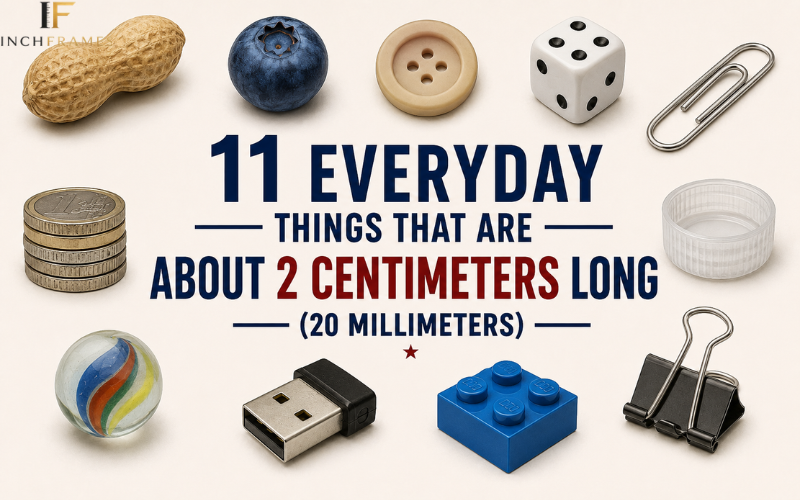
Have you ever wondered how long is 2 centimeters? The answer is simple: 2 centimeters equals 20 millimeters or about 0.79 inches. Although it is a very small measurement, you can find objects around this size almost everywhere—in your home, office, classroom, or kitchen.
Understanding the length of 2 centimeters is useful when measuring small items, doing crafts, sewing, DIY projects, or estimating object sizes without a ruler. Since numbers alone can be difficult to visualize, comparing 2 centimeters with familiar everyday objects is one of the easiest ways to understand its actual size.
In this guide, you’ll learn how long is 2 centimeters, discover simple ways to estimate it without a ruler, and explore everyday items that are approximately 2 centimeters long. These real-life comparisons make the measurement much easier to remember.
How Long Is 2 Centimeters?
2 centimeters (cm) is equal to 20 millimeters (mm), 0.79 inches, or 0.02 meters. It is a short measurement commonly used for small household items, school supplies, jewelry, hardware, and craft materials.
If you’re familiar with 1 inch, you’ll notice that 2 centimeters is slightly shorter. Small measurements like this are often used because they provide better accuracy than larger units when measuring compact objects.
For comparison, larger measurements such as 2 feet, 4 feet, 6 feet, 8 feet, and 10 feet are better suited for furniture, rooms, and outdoor structures, while centimeters are ideal for tiny everyday objects.
Measurement Without a Ruler
You don’t always need a ruler to estimate 2 centimeters. Here are a few easy methods.
Compare It to Your Fingernail
The width of an average adult thumbnail is very close to 2 centimeters, making it one of the quickest ways to estimate this length.
Stack Small Coins
Two small coins placed side by side are often close to 2 centimeters, depending on the currency.
Use Everyday Office Supplies
Many small stationery items, such as the width of certain binder clips or erasers, are close to 2 centimeters and can help you estimate the measurement.
Everyday Things That Are About 2 Centimeters Long
| Item | Approximate Length |
|---|---|
| Peanut | 2 cm |
| Blueberry (Large) | About 2 cm |
| Shirt Button | Around 2 cm |
| Dice | 2 cm |
| Paper Clip Width | About 2 cm |
| Bottle Cap Height | Around 2 cm |
| Binder Clip Width | 2 cm |
| Coin Stack | About 2 cm |
| Small Marble | Around 2 cm |
| USB Receiver | About 2 cm |
| LEGO Brick Width | Around 2 cm |
1. Peanut
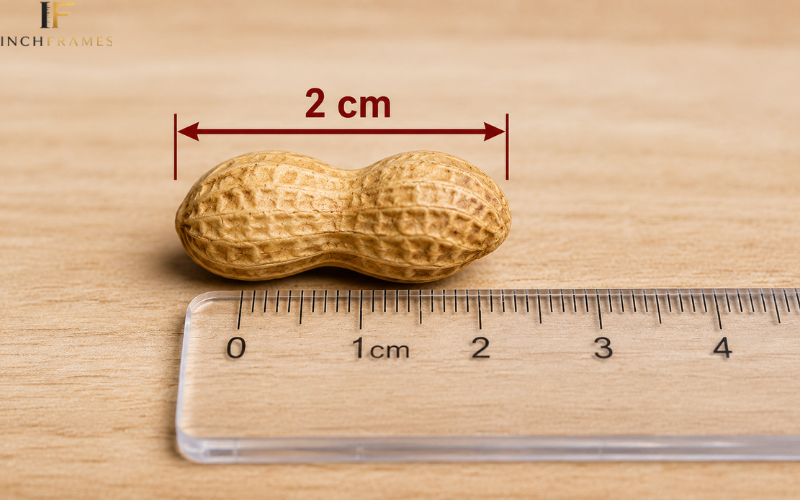
A peanut in its shell is often close to 2 centimeters long, making it one of the easiest everyday objects to compare with this measurement. Although the exact size depends on the variety, many peanuts sold in grocery stores fall very close to this length. Because peanuts are so common, they provide a convenient visual reference whenever you need to estimate a small measurement without using a ruler.
Peanuts are packed with protein, healthy fats, vitamins, and minerals, making them a popular snack around the world. They are also used to produce peanut butter, cooking oil, candy, and many baked goods. Their compact size makes them easy to carry, store, and enjoy as part of a healthy diet.
If you look closely at a peanut, you’ll notice that its length is much shorter than larger household measurements like 3 feet, 5 feet, or 7 feet, which are used for furniture and construction. This simple comparison helps you understand why centimeters are more practical for measuring small everyday items.
2. Large Blueberry
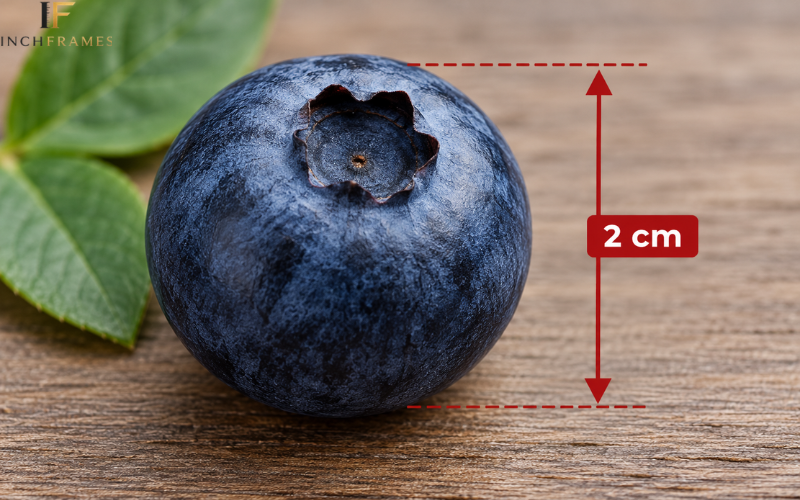
A large blueberry is another everyday object that measures close to 2 centimeters in diameter. While many blueberries are smaller, premium varieties grown for fresh markets often reach this size. Because blueberries are common in grocery stores and kitchens, they provide an easy and familiar way to visualize how long 2 centimeters is without using a ruler.
Blueberries are well known for their sweet flavor and high nutritional value. They are rich in antioxidants, vitamin C, vitamin K, and dietary fiber, making them a healthy addition to smoothies, cereals, yogurt, desserts, and fruit salads. Their small size also makes them convenient for snacks and lunchboxes.
If you compare a large blueberry with everyday measurements, you’ll notice that it is much smaller than 2 inches but large enough to be easily held between your fingers. Tiny measurements like this are best described in centimeters, while larger objects such as 9 feet are measured using feet. This simple comparison helps you better understand how long is 2 centimeters through a common fruit that many people see every day.
Related Post: How Long Is 10 Feet? 12 Everyday Things That Are 10 Feet Long
3. Shirt Button
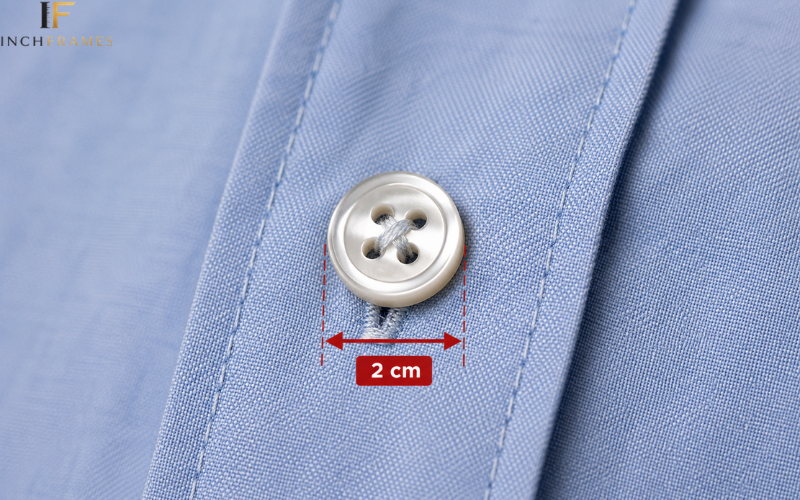
A shirt button is one of the most practical examples of an object measuring about 2 centimeters across. Buttons of this size are commonly found on jackets, sweaters, coats, and decorative shirts. Because almost everyone has clothing with buttons, they provide a convenient reference for estimating this small measurement at home or while shopping.
Most shirt buttons are made from plastic, wood, metal, shell, or resin. Besides keeping clothing securely fastened, buttons also add style and decoration to garments. They are available in many shapes, colors, and finishes to match different fashion designs. Larger buttons around 2 centimeters are especially popular on winter clothing because they are easier to grip and operate.
If you hold a large shirt button in your hand, you can quickly understand how long is 2 centimeters. Compared with larger measurements such as 11 inches or 1 foot, a button is tiny, showing why centimeters are much more useful for measuring clothing accessories. Its familiar size makes it one of the easiest objects to remember when estimating small lengths.
4. Standard Dice
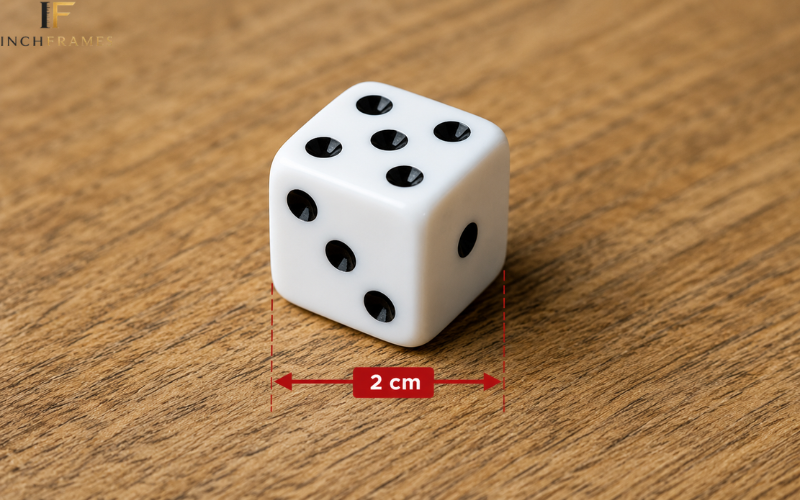
A standard game dice is another everyday object that measures approximately 2 centimeters on each side. Dice are used in board games, educational activities, and classroom learning, making them a familiar item for both children and adults. Because each side is nearly equal, a dice provides a simple and accurate visual reference for understanding the size of 2 centimeters.
Most dice are made from durable plastic, acrylic, or wood and feature clearly printed or engraved numbers. Their compact design allows them to roll fairly while remaining easy to carry and store. From family game nights to classroom math lessons, dice are used in countless activities around the world.
If you place a dice on a table, you can immediately picture 2 centimeters without needing a measuring tape. In comparison, larger dimensions such as 12 inches, 13 inches, or 3 feet are used for bookshelves, furniture, and other household objects. A standard dice remains one of the simplest and most recognizable examples of how long is 2 centimeters.
5. Paper Clip Width
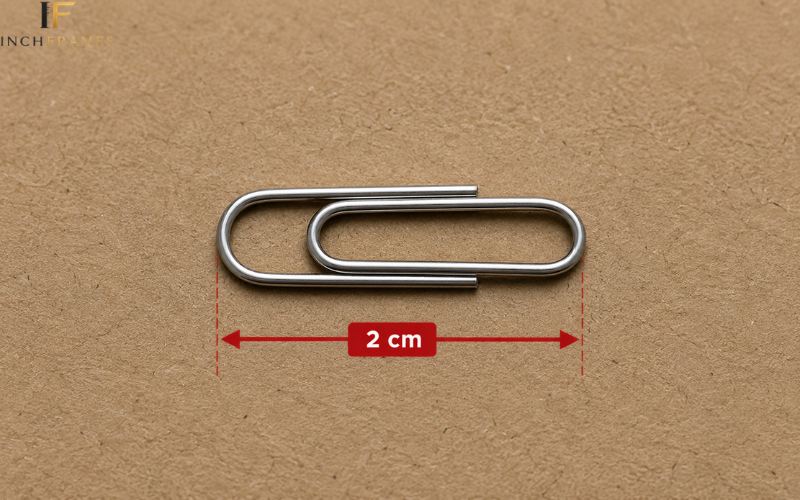
A paper clip is a common office supply, and the width of a standard large paper clip is often close to 2 centimeters. Since paper clips are found in homes, schools, and offices, they provide a simple and practical way to visualize this small measurement. If you need a quick size comparison without a ruler, looking at the width of a paper clip is an easy solution.
Paper clips are usually made from galvanized steel or stainless steel wire that is bent into a looped shape. Their main purpose is to hold sheets of paper together without causing damage. They are reusable, lightweight, inexpensive, and available in different sizes to suit various document types. Besides organizing paperwork, paper clips are also used in arts and crafts, bookmarks, cable management, and simple household tasks.
If you compare the width of a large paper clip with larger measurements like 14 inches or 4 feet, you’ll immediately notice how much smaller 2 centimeters really is. This familiar office item is an excellent real-life example for understanding how long is 2 centimeters because almost everyone has used one.
6. Plastic Bottle Cap Height
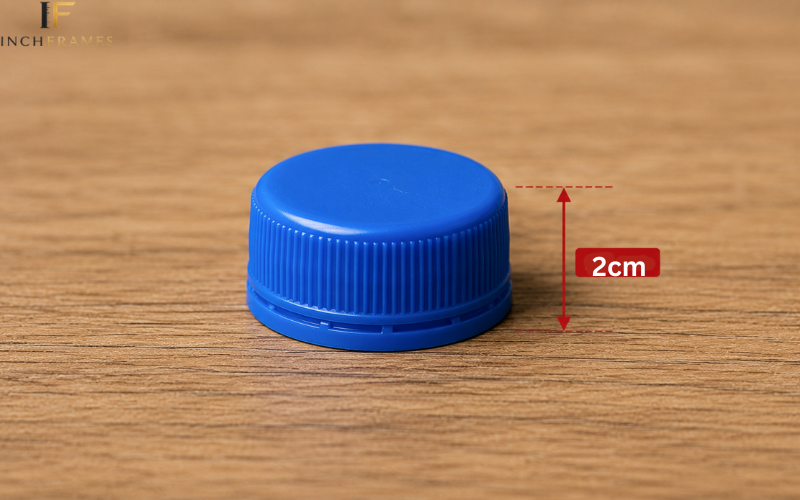
The height of a standard plastic bottle cap is approximately 2 centimeters, making it another useful everyday comparison. Bottle caps are found on water bottles, soft drinks, juice containers, and many household products, so they are one of the easiest objects to use when estimating this measurement.
Most bottle caps are manufactured from durable plastic and include threaded grooves that create a tight seal to prevent leaks. Many also feature tamper-evident rings to ensure product safety before opening. Although the diameter may vary depending on the bottle, the height of many common caps remains close to two centimeters.
If you place a bottle cap on a table, it gives you a clear visual idea of how long is 2 centimeters. In comparison, measurements like 15 inches are commonly used for laptop screens, while 5 feet is a typical height for many people. These comparisons show why centimeters are the preferred unit for measuring small everyday objects like bottle caps.
7. Binder Clip Width
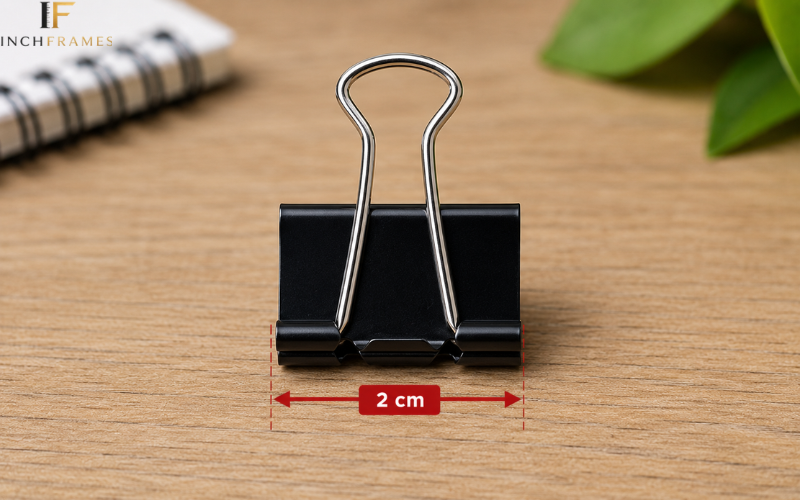
A small binder clip often measures around 2 centimeters in width, making it another excellent example of this measurement. Binder clips are widely used in offices, schools, and homes to hold multiple sheets of paper securely together. Their compact size makes them easy to carry in pencil cases, desk organizers, or office drawers.
Binder clips are usually made from spring steel with two foldable wire handles that make opening and closing the clip simple. They are much stronger than ordinary paper clips and can hold thick stacks of paper without slipping. Besides organizing documents, binder clips are commonly used for sealing food bags, managing cables, and completing creative DIY projects.
Because binder clips are everyday office supplies, they provide a practical way to understand how long is 2 centimeters. Even though larger measurements like 16 inches, 6 feet, or 8 feet are used for furniture and home projects, small accessories such as binder clips are much more accurately measured in centimeters. Their familiar appearance makes them one of the easiest size references to remember.
8. Coin Stack
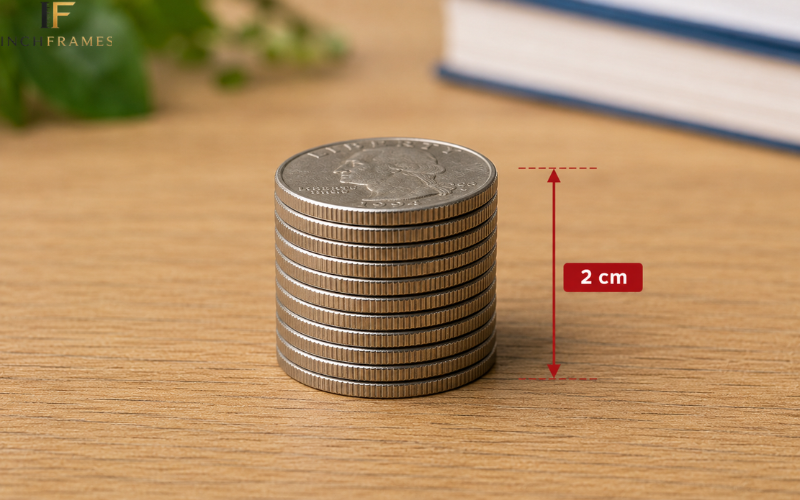
A stack of coins can easily measure about 2 centimeters in height, depending on the type and number of coins used. This makes a coin stack a simple and practical example for understanding this small measurement. Since coins are found in nearly every home, wallet, or cash register, they provide a convenient way to estimate 2 centimeters without using a ruler.
Coins are manufactured from durable metals such as copper, nickel, zinc, or steel to withstand years of circulation. Although the thickness of each coin varies by country and denomination, stacking several coins together often creates a height close to 2 centimeters. This makes coin stacks useful not only for estimating measurements but also for educational activities involving counting, math, and basic measurements.
If you place a small stack of coins on a flat surface, you can quickly visualize how long is 2 centimeters. Compared with larger dimensions like 7 feet or 9 feet, which are commonly used for outdoor structures and construction projects, centimeters are much better suited for measuring compact everyday objects. A coin stack is one of the simplest real-life references because it is easy to create and available almost anywhere.
9. Small Marble
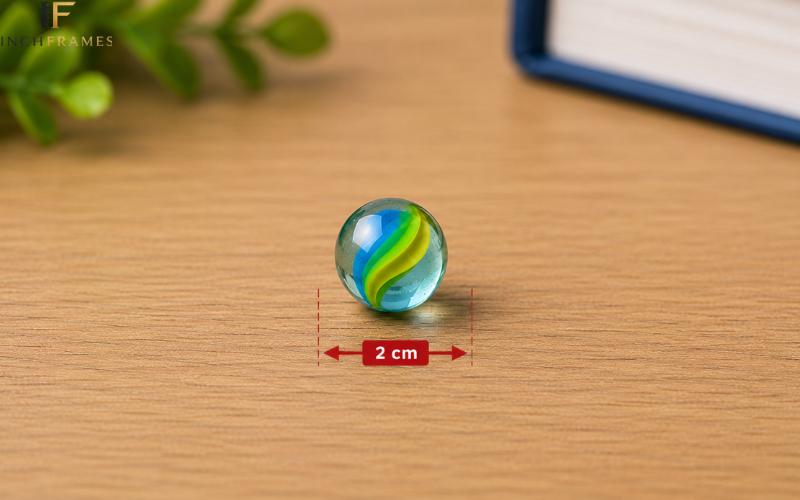
A small marble is another everyday object that measures approximately 2 centimeters in diameter. Marbles have been used for generations in children’s games, classroom activities, and decorative crafts. Because of their smooth, round shape and consistent size, they provide an excellent visual reference for understanding how long is 2 centimeters.
Most marbles are made from glass, although some are manufactured from clay, plastic, or steel. They come in many attractive colors and patterns, making them popular for both play and decoration. Besides traditional games, marbles are often used in art projects, vases, aquariums, and garden displays. Their durable construction allows them to last for many years without losing their shape.
If you’ve ever held a marble between your fingers, you’ve already seen an object close to 2 centimeters wide. Compared with larger measurements such as 10 feet, which are suitable for trailers or shipping containers, a marble demonstrates why centimeters are ideal for measuring small objects. Its familiar appearance makes it one of the easiest comparisons to remember.
10. USB Wireless Receiver
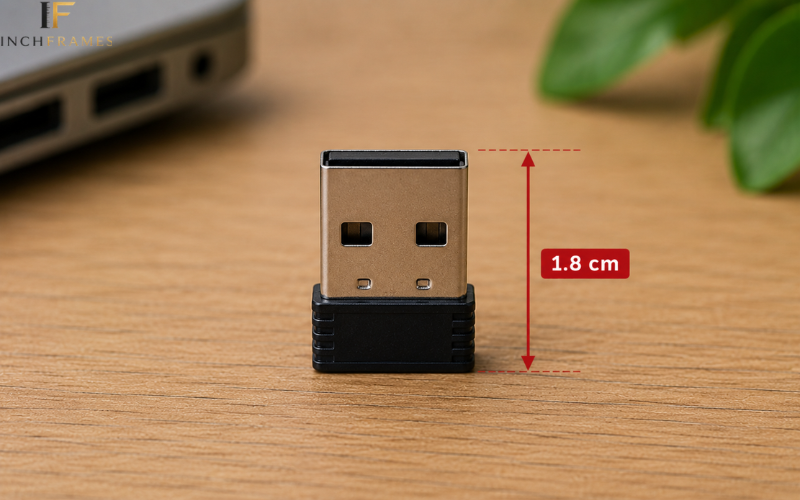
A USB wireless receiver, commonly used for wireless mice and keyboards, is often about 2 centimeters long. These tiny devices plug into a computer’s USB port and allow wireless communication without taking up much space. Because they are compact and widely used in homes, offices, and schools, they are an excellent everyday example of a 2-centimeter object.
Most USB receivers are made from durable plastic with a small metal USB connector. Despite their tiny size, they provide reliable wireless connectivity for keyboards, mice, presentation remotes, and other accessories. Their compact design allows users to leave them plugged into laptops without worrying about accidental damage during transport.
If you look at the small receiver attached to a wireless mouse, you can easily understand how long is 2 centimeters. Its size shows why centimeters are the preferred unit for measuring electronic accessories. This practical example is familiar to millions of computer users and provides a clear visual reference for this measurement.
11. LEGO Brick Width
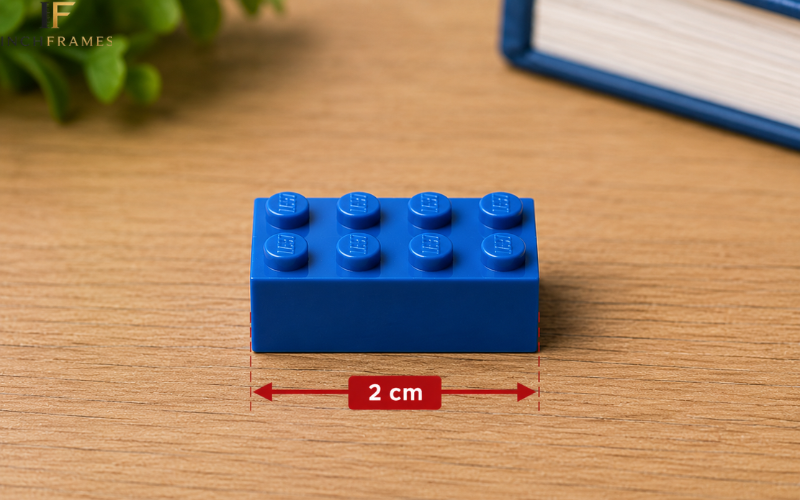
A standard LEGO brick is another familiar object that measures close to 2 centimeters in width, depending on the type of brick. Because LEGO pieces are found in millions of homes, schools, and classrooms, they provide an easy and memorable way to understand how long is 2 centimeters. Their consistent dimensions make them useful not only for building models but also for learning basic measurement concepts.
LEGO bricks are manufactured from durable ABS plastic, which makes them lightweight, strong, and long-lasting. They are designed with precision so that each brick connects perfectly with others, allowing children and adults to build everything from simple houses to detailed architectural models. Beyond entertainment, LEGO sets help improve creativity, problem-solving, fine motor skills, and spatial awareness.
If you have ever built something using LEGO bricks, you can quickly picture a width of around 2 centimeters. Unlike larger objects that are measured in feet, small construction toys are much easier to measure in centimeters. This makes a LEGO brick one of the best everyday examples for visualizing this measurement.
More Measurements? Visit Our Tool: Inches to CM Converter
FAQs
How long is 2 centimeters in inches?
2 centimeters equals approximately 0.79 inches.
What is 2 centimeters in millimeters?
2 centimeters is equal to 20 millimeters (mm).
What everyday things are about 2 centimeters long?
Common examples include a peanut, large blueberry, shirt button, standard dice, paper clip width, bottle cap height, binder clip width, coin stack, small marble, USB wireless receiver, and LEGO brick.
How can I measure 2 centimeters without a ruler?
You can estimate 2 centimeters by comparing it to the width of an average thumbnail, a large shirt button, a standard dice, or the height of a plastic bottle cap.
Is 2 centimeters a common measurement?
Yes. 2 centimeters is a very common measurement used for jewelry, office supplies, craft materials, electronics, clothing accessories, food items, and many small household objects.
Conclusion
Understanding how long is 2 centimeters becomes much easier when you compare it with familiar everyday objects. Since 2 centimeters equals 20 millimeters or approximately 0.79 inches, it is a practical measurement used for many small items found in homes, schools, offices, and workshops.
From a peanut and large blueberry to a shirt button, dice, paper clip, binder clip, coin stack, small marble, USB wireless receiver, and LEGO brick, these examples help you quickly visualize this length without using a ruler.
Whether you’re working on a craft project, measuring small accessories, shopping online, or simply satisfying your curiosity, knowing what 2 centimeters looks like will help you estimate sizes more accurately and understand everyday measurements with confidence.
